Why Double-Decker Buses Are Pop Culture Icons: From Films to Souvenirs
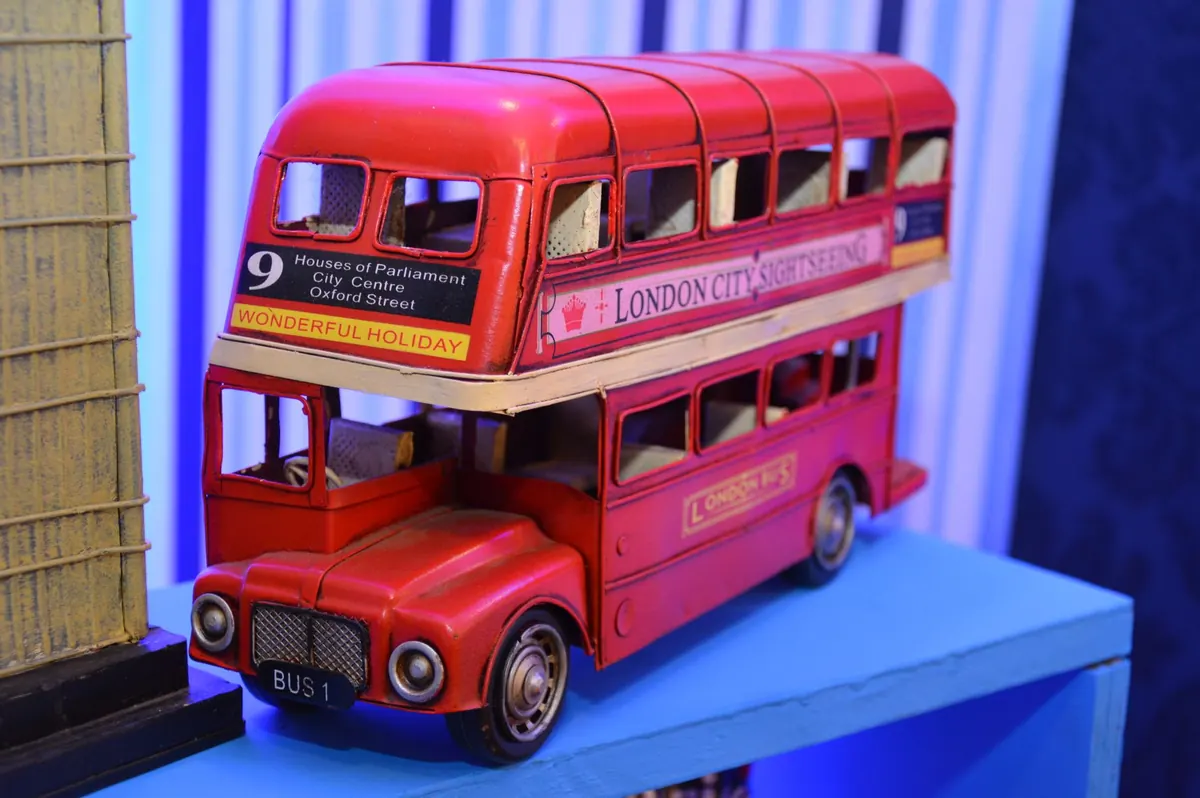
Show a five-year-old a red rectangle with a cream stripe and four windows, and they will tell you it is a London bus. That is the whole trick. The double-decker is one of very few vehicles that survives being reduced to a silhouette. Take away the wheels, the route number, the passengers and the rain, and the shape still says a place — and a set of feelings about that place. The top deck. The front seat. The bell. The stairs you take two at a time even though you have been told not to.
That kind of instant recognition is rare, and it explains almost everything about the bus's second career: as a movie prop, a design motif, a souvenir and a piece of city branding.
The Shape That Reads at a Glance
The engineering came first. Two decks let an operator move close to twice as many people through streets that were never going to be widened, which is why the format took hold in dense, old cities rather than sprawling ones. In London, the Routemaster was designed in-house by London Transport, entered service in the mid-1950s and stayed in ordinary use until 2005, when it was retired from most routes and kept alive on a couple of heritage runs through the centre.
But practicality alone does not make an icon. What made the bus memorable was proportion. It is tall and narrow, so it fills a frame vertically and sits awkwardly against everything around it. The open rear platform let passengers step on and off between stops — a detail that turned boarding into a small piece of theatre. And the colour helped: red stands out beautifully against grey weather, which is precisely when you most want to see your bus coming.
A Star Vehicle on Screen
Directors borrow the bus because it solves problems. The top deck gives you height without a crane. The rear platform gives actors somewhere to leap. A bus carries twenty background performers as easily as two, and it can be driven through real traffic without closing a city down.
Some scenes have lodged themselves permanently in the culture. The Knight Bus in the Harry Potter films is a triple-decker that squeezes between buildings like a dog shaking itself dry. In Live and Let Die, Bond drives a double-decker under a low bridge and shears the roof off, converting it into an open-topper in the most expensive way possible. Summer Holiday sent a converted bus across Europe with a pop star and a band aboard, which is roughly the plot of every road trip film since.
Watch those sequences again and you notice the same thing: the bus is never just transport. It is a room that moves, with a public face and a private upstairs.
A Canvas with Two Decks
Bus sides have been rented out to advertisers for as long as there have been bus sides. That makes old photographs of buses unusually useful, because the advert dates the picture instantly — the typography, the slogan, the haircut on the model. Picture researchers and set dressers rely on this more than they would admit.
Artists noticed too. The pop generation of the 1950s and 1960s treated signage, packaging and public transport as serious subject matter, and the bus fitted the brief exactly: bright, flat, mass-produced and covered in lettering. It was already a poster. Nobody had to make it into one.
If you photograph buses yourself, a few habits pay off:
- Shoot the bus and the place together. A bus against nothing is a model photograph; a bus against a corner shop is a document.
- Wait for the side with the advert. It adds colour and a date.
- Use wet pavement and evening light, when the windows go gold and the red deepens.
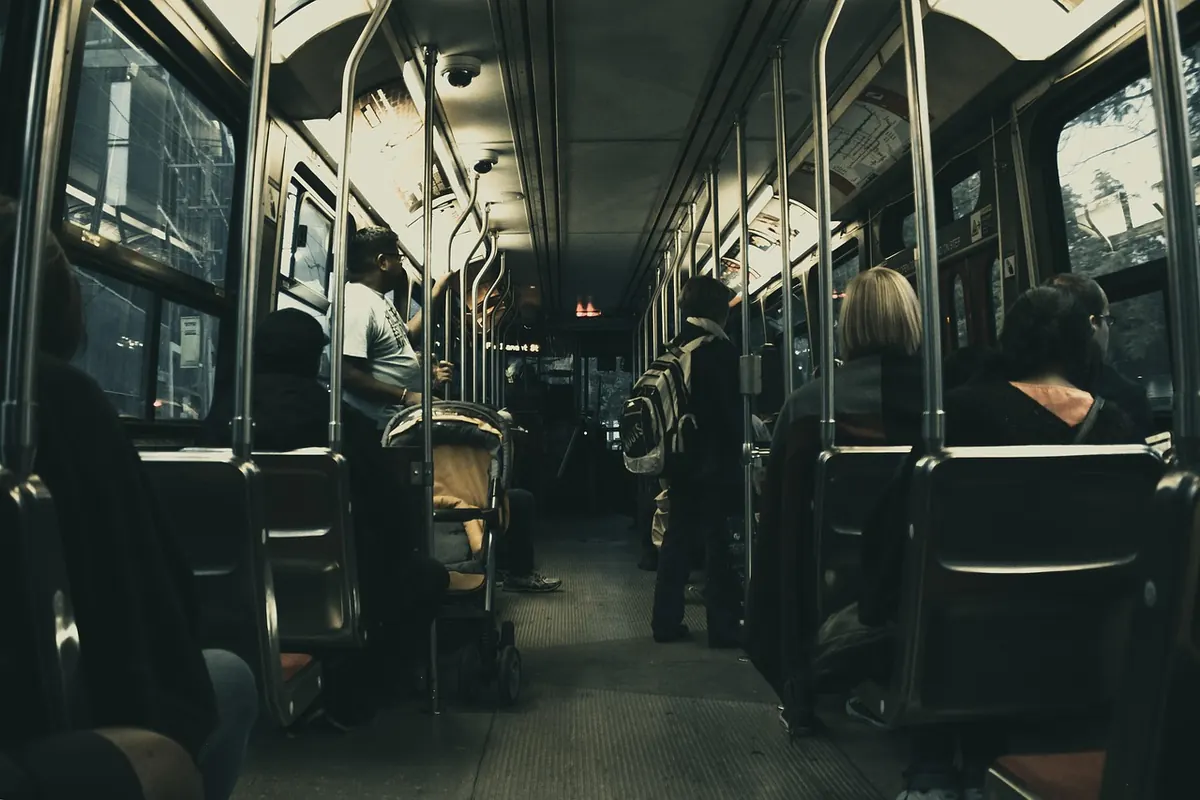
- Ride the top deck for street photography. It is a moving balcony, and nobody minds you pointing a camera out of it.
The Souvenir Economy
Souvenirs follow the silhouette, and the double-decker shrinks better than almost any landmark. A cathedral is hard to put in a suitcase. A bus is not. Which is why the same shape turns up as diecast models, enamel pins, keyrings, tea towels, mugs, umbrellas, Christmas ornaments, socks and the inevitable snow globe with a shakeable blizzard.
Transport museum shops are the reliable hunting ground, and so are the racks by the till in any city that trades on its buses. If you are buying to keep rather than to tick off a list, a little discipline goes a long way:
- Pick a scale and stay with it. For diecast buses, 1:76 and 1:43 are the common collector sizes, and a shelf in one scale looks deliberate while a shelf in five looks like clutter.
- Keep the box. For most models the packaging is part of the object, not rubbish to be recycled on the way home.
- Read the destination blind and the fleet number. That is where the difference between a careless model and a good one shows.
- Ask whether a model has been repainted. A repaint can look lovely, but you should know it is one, and check the finish around the windows and glazing lines.
- Buy the route you actually rode. The best small collections tell a story about trips taken, not about shops visited.
City Branding and the Open-Top Effect
Because the shape is legible, it travels. Sightseeing operators run open-top double-deckers in cities as different as Dublin, Dubai and Las Vegas, including plenty of places where the bus has never been everyday transport. It is a straightforward pitch: buy a ticket, get a seat with a view, see the city in an hour. The vehicle does the marketing before the driver says a word.
Hong Kong proves the other half of the argument. There, double-deckers are not nostalgia, they are the commute — ordinary, crowded and completely unremarkable to the people using them. That is a useful reminder that the icon is a local invention. What looks like heritage from outside is just Tuesday from inside.
The branding trade borrows the shape for logos, wayfinding, event graphics and tote bags, because it says "city" faster than almost any other symbol. It only goes wrong when it is used as wallpaper. The good work uses it structurally — a top deck as a header bar, a route line as a divider, a bus stop as a signpost.
Getting More Out of the Bus You Meet
Ride the top deck at the front when you can, and accept that on an open-top tour the front row is the sunniest and the windiest seat on the vehicle. On a heritage route, board at the back and let the conductor take your fare — that small ritual is half the point. If you are collecting, decide on one theme before you buy again: a city, a decade, a single operator, or the routes you have actually travelled. It is more satisfying than owning forty buses you cannot place.
And if you are simply standing on a corner with a camera, be patient. Buses arrive every few minutes, the light changes, and the shot you want is usually the third one — the one where the bus is doing something in a city that is doing something back. That is the moment the silhouette stops being a logo and becomes a picture of a place.
Photo: Vidal Balielo Jr. / Pexels